
The Australian spirit market has transformed into one of the most dynamic craft distilling scenes in the world. With hundreds of local bottles vying for space on home bar carts, choosing the right bottle goes beyond grabbing the prettiest label on the shelf.
Whether you are looking for an everyday G&T workhorse, hunting for competition-level spirits, or selecting a bottle for a special gift, here is what you need to know before buying Australian craft gin.
1. Botanical Leads Dictate the Cocktail
Not all gins serve the same purpose in a glass. Distillers construct recipes around specific botanical hero notes that complement different drinks:
- Citrus-Forward: Driven by ingredients like bergamot, finger lime, or sunrise lime. These excel in highballs, Southsides, and crisp G&Ts with light Mediterranean tonic.
- Savory & Botanical: Heavy on native pepperberry, saltbush, or eucalyptus. Ideal for dry Martinis and Red Snappers.
- Piney & Traditional: Heavy juniper backbone. Built for heavy-tonic G&Ts and bold Negronis.
If you want maximum versatility for home cocktail making, a citrus-led small-batch gin—such as a bergamot-forward profile like Sydney’s Lume Gin—offers a vibrant, fragrant punch that cuts cleanly through mixers.

2. “Small-Batch” Means Production Precision, Not Just Marketing
The term small-batch gin gets tossed around frequently, but authentic micro-distilling comes down to still size and process control. True craft distilleries run small copper pot stills (often capped at strictly limited runs, like Lume Gin’s 100 bottles per batch), allowing the distiller to make precise cuts during production to capture only the cleanest, highest-quality “heart” of the run while discarding harsh compounds.

3. Decode Award Medals and Competition Standards
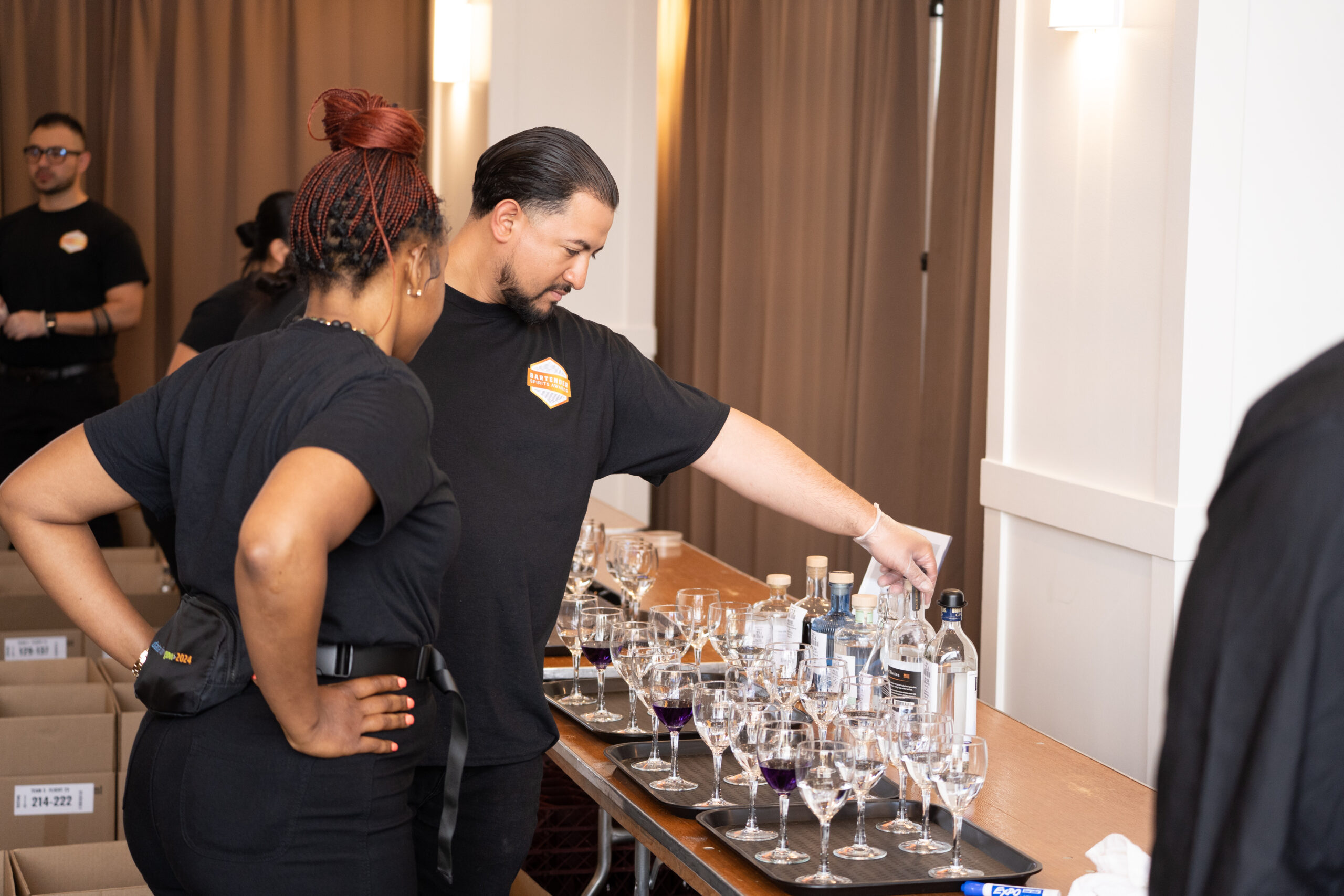
When hunting for an award-winning gin, look at where the medal was earned. Recognised international and national shows—like the London Spirits Competition, Bartenders Spirits Awards, and the Australian Gin Awards—use strict double-blind judging by active industry experts, top mixologists, and spirits buyers.
Competitions like the London Spirits Competition and Bartenders Spirits Awards judge spirits on three crucial real-world factors: quality, value, and packaging. A medal from these shows (such as Lume Gin’s Gold medal wins) guarantees that the liquid inside the bottle meets rigorous benchmarking for competition-level spirits both on the palate and in the glass.
4. Base Spirits Drive the Texture
The underlying neutral spirit used during distillation sets the mouthfeel of the gin:
- Grain (Wheat/Barley): Delivers a clean, crisp finish with a classic dry mouthfeel.
- Grape/Wine Base: Offers a lush, silky, slightly sweeter texture that carries essential oils beautifully.
- Sugar Cane/Molasses: Produces a lighter, slightly rounded profile.
5. Higher ABV Retains Essential Botanical Oils
Botanical essential oils dissolve in alcohol, not water. Gins bottled at higher strengths (42% to 45% ABV and above) retain a greater concentration of delicate citrus and floral oils. When mixed with tonic or ice, these oils louche (cloud slightly) and release concentrated aromas that lower-proof commercial gins lose during heavy dilution.
6. Regional Native Botanicals Define Australian Gin
Australia’s native flora gives local distillers a flavor toolkit found nowhere else globally. Look out for signature native botanicals on the label:
- Lemon Myrtle & Aniseed Myrtle: Delivers intense lemon-citrus and subtle liquorice aromas.
- Tasmanian Pepperberry: Adds a warm, lingering spice without the harshness of black pepper.
- Bergamot & Finger Lime: Delivers bright, tart citrus aromatics that elevate the nose of the spirit.
7. What to Look For for Gin Gifting
If you are purchasing for gin gifting, focus on bottles that combine liquid quality with presentation. A standout boutique gin from an independent producer feels deliberate and thoughtful. Choosing an internationally recognized bottle—like a London Spirits Competition or Bartenders Spirits Awards medal winner—gives the recipient a proven, world-class spirit. Pair it with premium tonic water, dehydrated citrus wheels, and quality glassware for a complete gift set.

8. Match the Gin to the Mixer
A common mistake is pairing a delicate, highly aromatic craft gin with an overpowering, overly sweet commercial tonic water. High-sugar tonics mask the subtle botanicals of a boutique spirit. Match bright citrus or floral gins with light Indian or Mediterranean tonics, or try them in a simple soda-and-citrus highball to let the distiller’s recipe shine through.

9. Buying Direct Supports Premium Gin Distilleries
While major retail chains carry popular commercial brands, buying online directly from independent premium gin distilleries gives you access to micro-batch drops, limited seasonal releases, and fresh bottling runs. Purchasing direct directly supports local craft makers and ensures your bottle hasn’t spent months sitting under bright retail lights.
10. Drink It Fresh (Gin Doesn’t Age in the Bottle)
Unlike whisky or oak-aged spirits, gin does not improve or mature once sealed in glass. The volatile organic compounds that give craft gin its vibrant citrus aroma and floral top notes gradually fade over time once opened. Keep your bottle stored in a cool, dark place away from direct sunlight, and enjoy it while those fresh botanical oils are at their absolute peak.
This week’s popular products
-
 $119.99 incl. GST
Ember Barrel Aged Gin
-
Original price was: $159.98.$139.94Current price is: $139.94. incl. GST
Lume Gin Duo
-
 $79.99 incl. GST
Lume Botanical Gin
